SEMA Live's Chris Jacobs on Cars and the Culture of the SEMA Show
Behind The Wheel
By Jason Mulroney
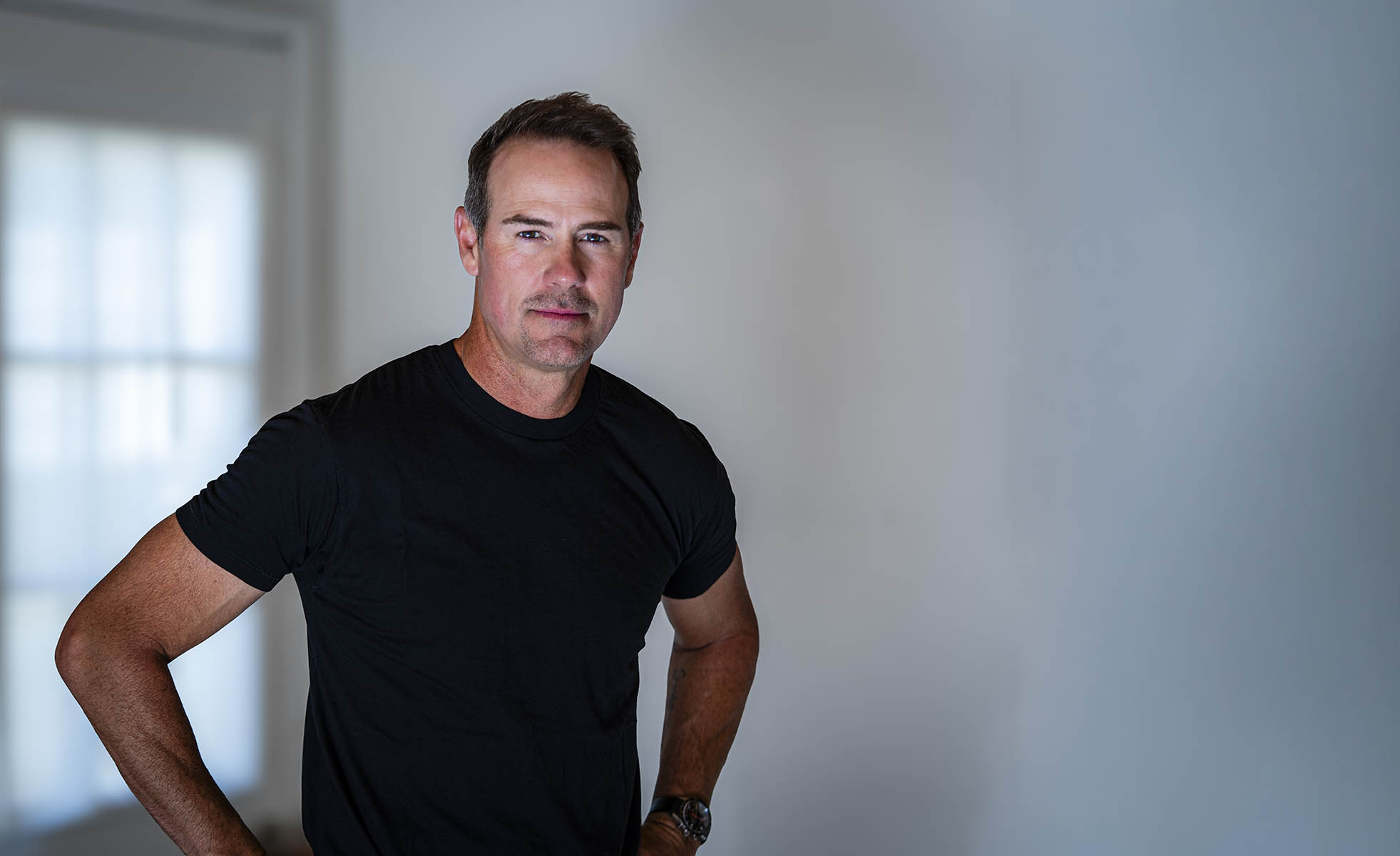
Chris Jacobs has been one of the most recognizable personalities in automotive television.
For more than two decades, Chris Jacobs has been one of the most recognizable personalities in automotive television, bringing equal parts enthusiasm, quick wit and genuine car-guy credibility to living rooms, auction blocks and show floors across the country. Best known for his long run on “Overhaulin’” alongside legendary designer Chip Foose, Jacobs has helped tell the stories behind some of the most memorable custom builds ever captured on camera. But his connection to car culture goes well beyond the screen. From growing up around Porsches and musclecars in the Chicago area to covering major events such as the SEMA Show (host of SEMA Live), Pebble Beach Concours d’Elegance and Mecum Auctions, Jacobs has built a career around the people, passion and craftsmanship that drive the automotive world. In this conversation, he reflects on the early spark that started it all, the pressure of fast-turnaround television builds, unforgettable SEMA moments, his personal dream cars and what continues to fuel his love for the aftermarket community.
From growing up around Porsches and musclecars in the Chicago area to covering major events such as the SEMA Show (host of SEMA Live), Pebble Beach Concours d’Elegance and Mecum Auctions, Jacobs has built a career around the people, passion and craftsmanship that drive the automotive world.
Early Days
SEMA Magazine: You had a long run hosting “Overhaulin’.” What original spark drew you into the automotive and custom car world?
Chris Jacobs: Well, I’ve always been a “car guy,” but before “Overhaulin’,” my interest was casual at best. In 2003, I auditioned for the show and was lucky enough to get the job. Little did I know that it would change my life so dramatically.
“…I’ve always been a ‘car guy,’ but before ‘Overhaulin’,’ my interest was casual at best.”
SM: Growing up in the Chicago area, what was the first car that made you fall in love with car culture?
CJ: Growing up, I was first drawn to cars by my dad and older brothers. They all had cool cars. My dad was a 911 guy, and my brothers had musclecars. I particularly loved both the 911—my dad had several over the years—and my brother Zach’s ’66 GTO, a black-over-red convertible. It was an awesome car, and I used to go out into the driveway, sit behind the wheel and pretend I was cruising in it.
SM: Before becoming a household name in automotive television, what was your earliest gig in entertainment, and what did it teach you?
CJ: Before “Overhaulin’,” I was a traditional actor from 1995–2003. I appeared in several movies and television shows and made about 30 commercials. It was enough to earn a living back then, so I didn’t have to have a “regular” job. What it taught me was perseverance. You have to be able to hear “no” 99 times and go back for the 100th audition with the same confidence—and be prepared to hear “no” again. It’s a tough way to make a buck.
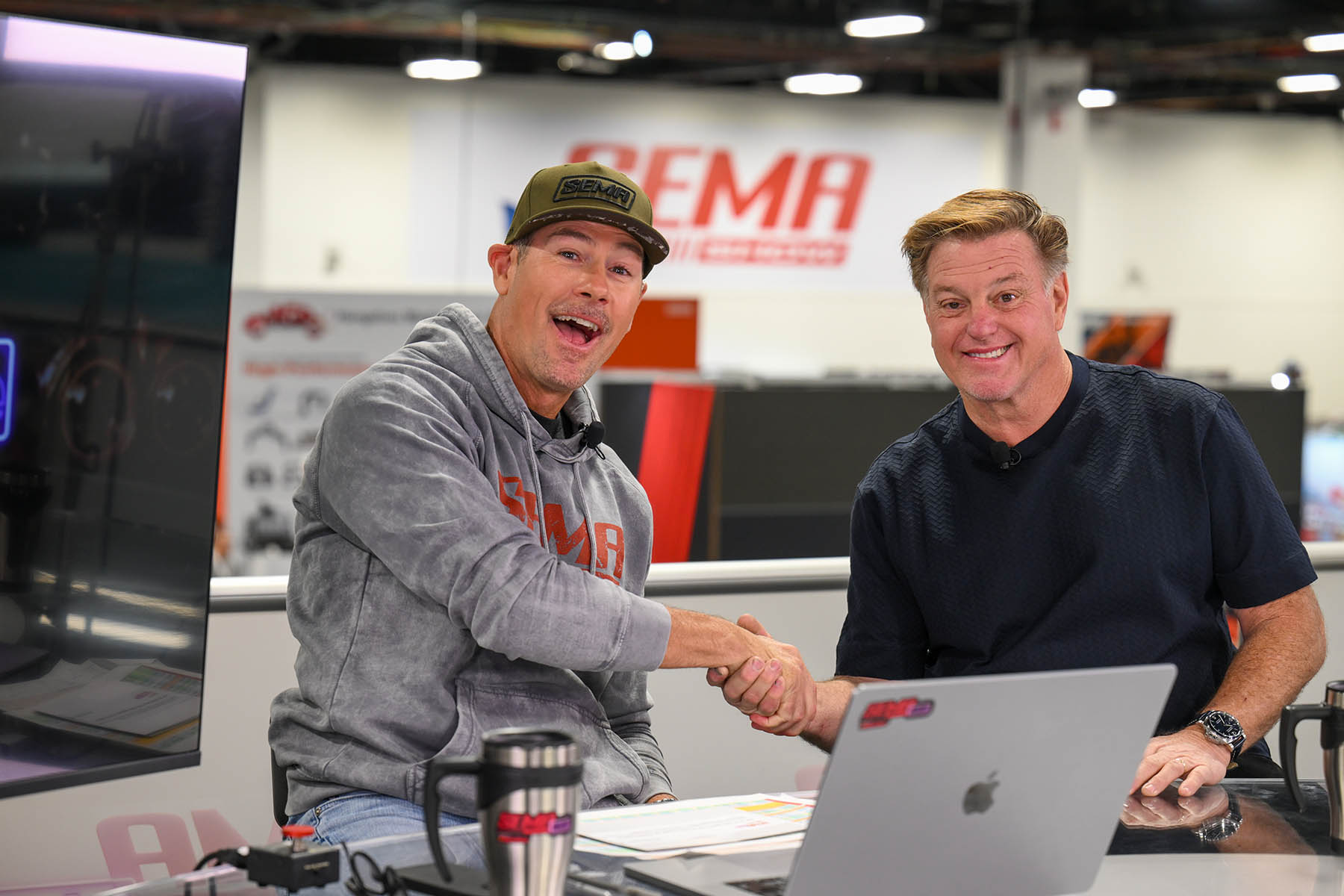
“Overhaulin’” and Custom Builds
SM: Working alongside Chip Foose on “Overhaulin’,” what is the single most valuable lesson you learned about car design and craftsmanship?
CJ: The single most valuable lesson I learned working alongside Chip is that 99% of custom car builds is preparation. Before you even disassemble a project car, you have to have a solid and clear plan for where you want to arrive and how to get there, while also allowing for the inevitable hiccups along the way. When it comes to doing the actual work, prep is again the most important step, especially when it comes to paint. That’s probably the most time-consuming step. If the paint prep isn’t done correctly, it’s going to show up in the final product.
“The single most valuable lesson I learned working alongside Chip [Foose] is that 99% of custom car builds is preparation.“
SM: Pulling off a surprise build reveal requires serious stealth. What was the absolute closest call where an owner almost caught the crew?
CJ: The closest we ever got to being caught doing a prank was on Connie Eastman’s C2 Corvette episode. I was playing a detective, and we hadn’t taken the time to make fake business cards for me. Connie got suspicious and called the real cops on us. When they arrived, I had about 30 seconds to explain to Fullerton PD what was actually going on. Thank God, they believed me and vouched for us. It taught us a valuable lesson about, again, preparation. Haha.
SM: Out of the 100-plus vehicles transformed on “Overhaulin’,” is there one specific build that holds a special place in your heart?
CJ: Of course, Chip’s truck is the one build that is far and away the most special to everyone who was involved. Other than that, though, I’d have to say the ’67 Coronet episode where Chip and I switched roles. He hosted the episode, and I designed the car. It was surreal to be able to customize one of my favorite B-bodies with a virtually unlimited budget.
SM: What is the hardest part about coordinating high-end, fast-turnaround builds under tight television schedules?
CJ: The hardest part is keeping on track and on pace. That’s why having a solid schedule is imperative. If you don’t know where you’re going, you don’t know how to get there, in a limited-time build, things can get out of hand if you’re not keeping on schedule.
On-Air Career
SM: Hosting live television brings unpredictable moments. What’s the most unexpected curveball thrown at you on air, and how did you handle it?
CJ: Yes, live television is a very special animal. Countless times, I’ve been asked in real time to “stretch,” which is essentially filling time live on air because something isn’t ready to go to. I can usually handle this situation pretty well; I’m pretty good at improvising.
SM: Having hosted coverage for major automotive events—from the SEMA Show to Pebble Beach Concours d’Elegance to Mecum Auctions—what makes the live event atmosphere so electric?
CJ: Following through on that experience with unpredictable live situations, it’s the “one-and-done” aspect that makes it so interesting. In my head, I’m thinking about what I’m going to say or ask next because you don’t get a second chance. You have to be ready to jump in with the next thought or question when the other person is done talking. And you have to be able to listen to what the producer is telling you in your ear at the same time you’re listening to the person you are talking to or interviewing. It’s definitely a skill, and one that gets easier with experience.
“…the SEMA Show becomes the center of the automotive universe for one week.”
Car Culture, Trends and Personal Collection
SM: You’ve toured dream collections across the country. What is the single rarest or most breathtaking car you’ve ever seen in person?
CJ: The rarest car I’ve ever seen in person is the ’66 Ford GT, which Bruce McLaren and Chris Amon drove to victory at the 24 Hours of Le Mans. It’s been meticulously restored, and I was actually able to sit in it at Pebble Beach a couple of years ago; the owner started it for me. Absolutely thrilling. The most breathtaking car I’ve ever seen happened just a few days ago at the 2026 Concours d’Elegance. While walking through the display lawn as the cars were setting up, the ’38 Phantom Corsair drove right past me. It looks like it’s from another planet. If you don’t know what it is, look it up. There is only one in existence, and it is an absolutely incredible car.
SM: The automotive landscape is changing fast with modern tech. Where do you see classic hot-rodding and custom-car culture heading in the next decade?
CJ: The trend I see for where hot rodding is going is the continuation of bespoke tribute cars, like what RuF and Gunther Werks are doing with Porsche. They are building their own cars using a classic design. There is also a company in China called Jiangsu Juncheng, which is producing body shells for Broncos, Defenders, 240Zs and AE86s. Larry Chen did an episode of his show over there. I definitely see that as a trend in the car industry.
SM: If you had to pick just one vehicle in your personal garage to drive for the rest of your life, what is it?
CJ: Without question, the one car that I will never sell is my ’85 911 Targa. I love it with all my heart. I’ve had it for 21 years, and I am the second owner. I originally bought it in honor of my dad, who definitely passed his love for Porsche down to me. I plan to teach my daughter how to drive manual in that car.
“Without question, the one car that I will never sell is my ’85 911 Targa. I love it with all my heart. I’ve had it for 21 years…”
SM: What is your ultimate “holy grail” car—the one you don’t own yet, but dream of adding to your collection?
CJ: My ‘holy grail’ car would have to be either a Pro-Touring ’Cuda built by the Ringbrothers or a Canepa Porsche 959.
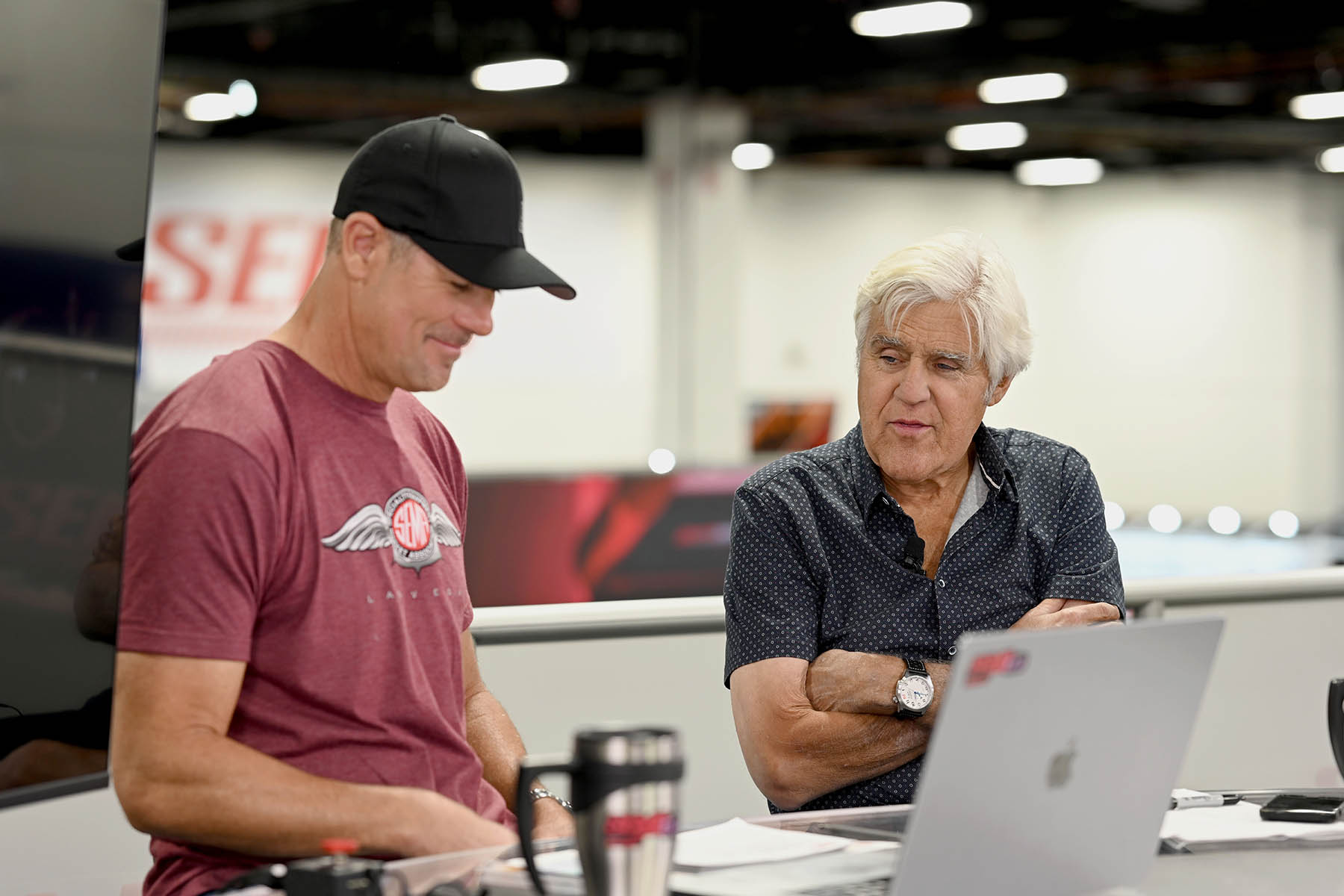
Behind the Scenes
SM: What does a non-filming, relaxed weekend look like for Chris Jacobs when you’re completely off the clock?
CJ: When I’m not working, I try to spend as much time with my daughter as possible. She’s almost five, and she grows and changes so quickly that I try to experience it all.
SM: If you weren’t working in television and broadcasting today, what career path do you think you would have pursued?
CJ: If I wasn’t a television host, I would be practicing law. Before getting into entertainment, I attended law school and passed the California State Bar exam in 1995. (Yes, I’m old.)
SM: What’s a habit or passion of yours that fans who only know you from television might be surprised to learn?
CJ: I’m obsessed with golf and try to play whenever I get the chance. Being from Chicago, I’m also a die-hard Cubs and Bears fan. I go to about four Bears home games a year and listen to almost every Cubs game on my SiriusXM app. I love the radio announcers Pat Hughes and Ron Coomer.
SM: Having spent years on the SEMA floor in Las Vegas, what is the single most jaw-dropping custom build or concept vehicle you’ve ever come across at the show?
CJ: At SEMA, there is so much to see and so many phenomenal builds. The single most amazing build I’ve ever seen would have to be the Ringbrothers INVADR. It’s a custom 1987 Grand National that was unveiled at the 2024 show. It rides on a Roadster Shop chassis and is one of the most amazing cars I’ve ever seen. And, of course, pretty much anything Chip brings to SEMA is off the charts as well. There are too many to name them all, but a recent standout is the ’56 Continental that was in the BluePrint Engines booth at last year’s show. Simply stunning.
SM: SEMA is ground zero for automotive innovation and aftermarket trends—what’s one trend you saw blow up on the SEMA floor?
CJ: Trends at SEMA are always changing. I would have to say that the latest trend seems to be trucks—and those trucks becoming more luxurious. They’re not just for work anymore.
SM: From hosting SEMA Live coverage to working with top builders, how would you describe the energy and atmosphere inside the Las Vegas Convention Center during SEMA week?
CJ: The energy and atmosphere at SEMA get bigger and better every year. The changes that have been made to create a better experience for attendees are a huge success. The convention center seems to expand every year, and this coming November will be the first year with the new entrance. I can’t wait to see that.
“The energy and atmosphere at SEMA get bigger and better every year.”
SM: Custom car builders spend months pulling “SEMA crunches” to finish vehicles in time. What’s the best advice you can give someone?
CJ: The best advice I can give to a shop that is planning a SEMA build is to start even earlier than you think you need to, while also staying realistic.
SM: Finally, what does the SEMA Show mean for you?
CJ: What does SEMA mean to me? The most amazing family reunion you could ever imagine.


